


Bibliography
This bibliography contains a list of sources — books, articles, theses, documents, and studies — produced by individuals and institutions that have dedicated, or continue to dedicate, their lives to deepening our understanding of mental health.
A more holistic and complete vision, with which I identify and which I seek to reflect in the work I develop with each person in search of a different path.
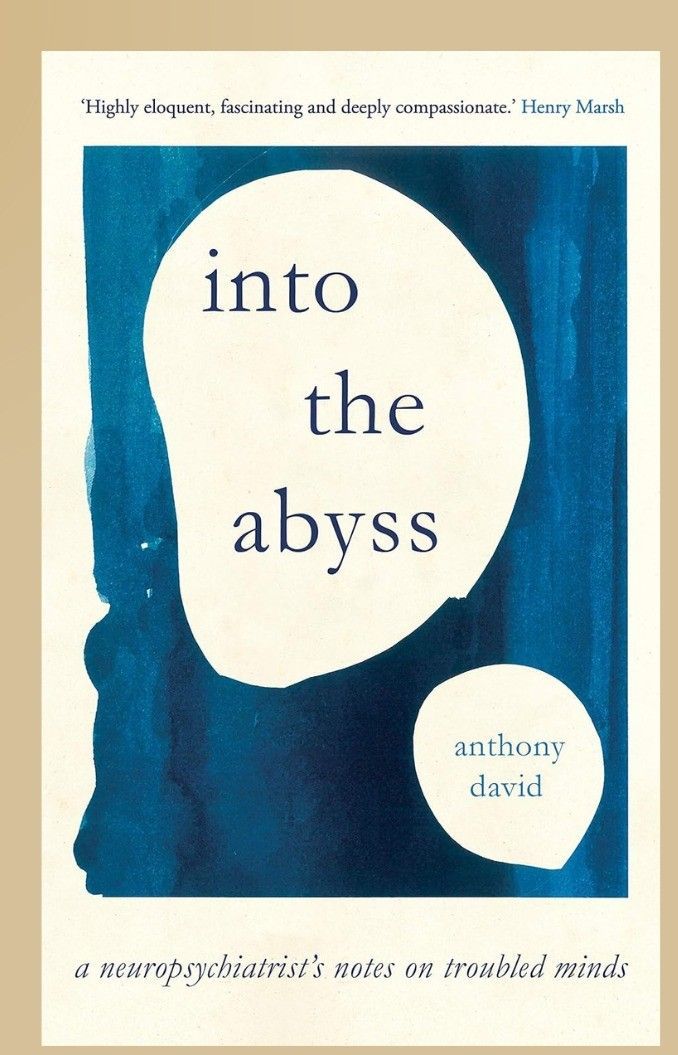
Cognitive neuropsychiatrist, Anthony David
Book - Into the Abyss
Cognitive neuropsychiatrist Anthony David brings together many fields of research, from
social and cognitive psychology applied to neurology.
The key for each patient could be anything from a traumatic memory to a family imbalance, a diseased way of thinking, or a hidden tumor.
Based on Professor David's career as a clinician and academic, these fascinating case studies reveal the unique complexity of the human mind, expanding the limits of our understanding.
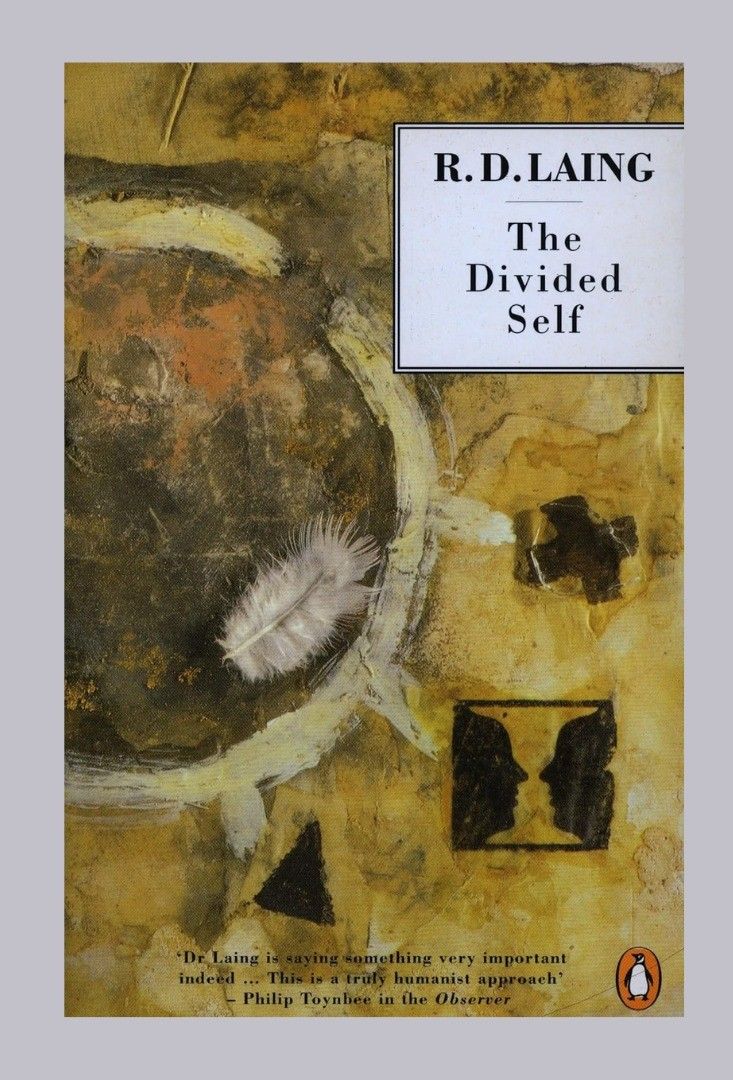
Book - The Divided Self
Psychiatrist RD LAING
His groundbreaking exploration of the nature of madness, The Divided Self, by R.D. Laing, illuminated the nature of mental illness.
Using case studies of patients he worked with, psychiatrist R.D. Laing argued that psychosis is not a medical condition, but a result of the "split self," or the tension between the two personas within us: one, our authentic and private identity, and the other, the false 'sane' self that we present to the world. He is also known for his humanistic view of psychosis: "The psychotic experience, however terrifying, can be a call to transformation."
Cognitive neuropsychiatrist, Anthony David
Book - Into the Abyss
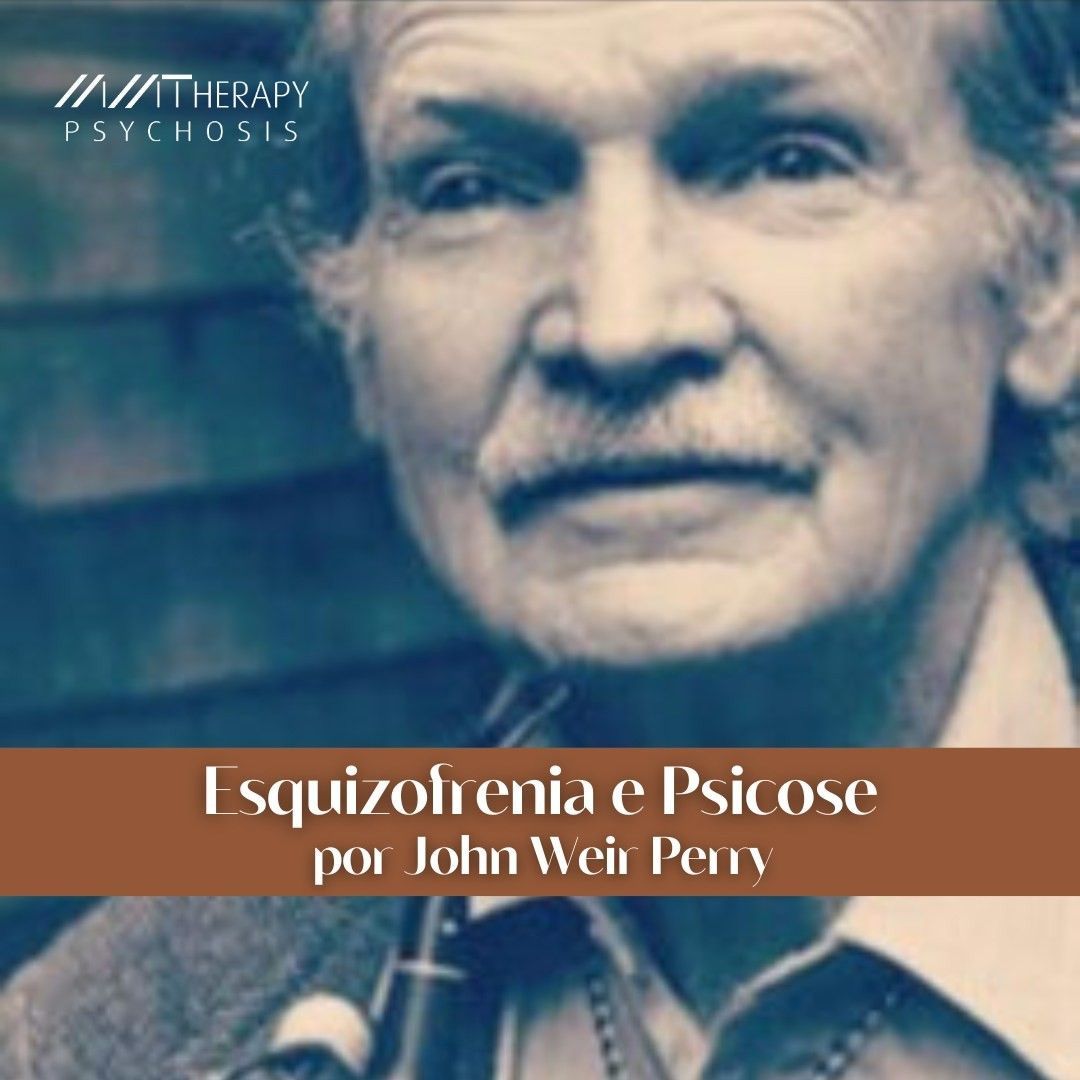
These books reflect Perry's incredible work in attempting to rethink and humanize the treatment of serious mental illness, focusing on recovery through empathy and emotional support.
Psychiatrist Stanislav Grof
"Western materialistic science has no place for any kind of spirituality and, in fact, considers it incompatible with the scientific worldview. Modern consciousness research shows that spirituality is a natural and legitimate dimension of the human psyche and of the universal plan of things."
However, in this context, it is important to emphasize that this statement applies to genuine spirituality and not to the doctrines of organized religions.

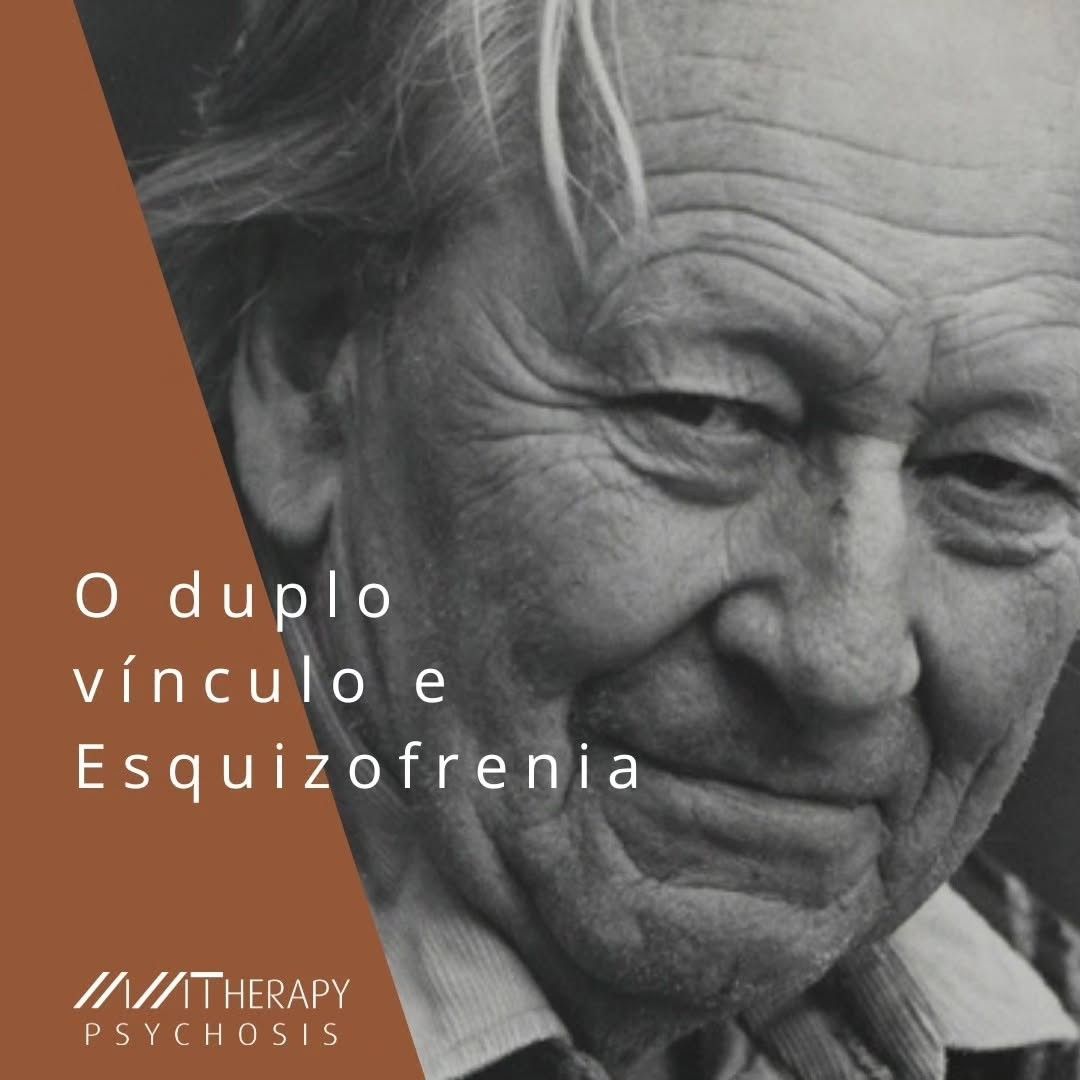
The concept of the double bind and schizophrenia.
Gregory Bateson, Anthropologist, Social Scientist and Linguist
The double bind was developed by anthropologist Gregory Bateson and his team of researchers in Palo Alto, California (1956). It is a concept in psychology that refers to contradictory relationships where behaviors of affection and aggression are expressed simultaneously, where the two people are strongly emotionally involved and unable to detach themselves from each other.
This theory was formulated in the 1950s to explain the psychological origin of schizophrenia, setting aside brain dysfunctions and organic hypotheses.
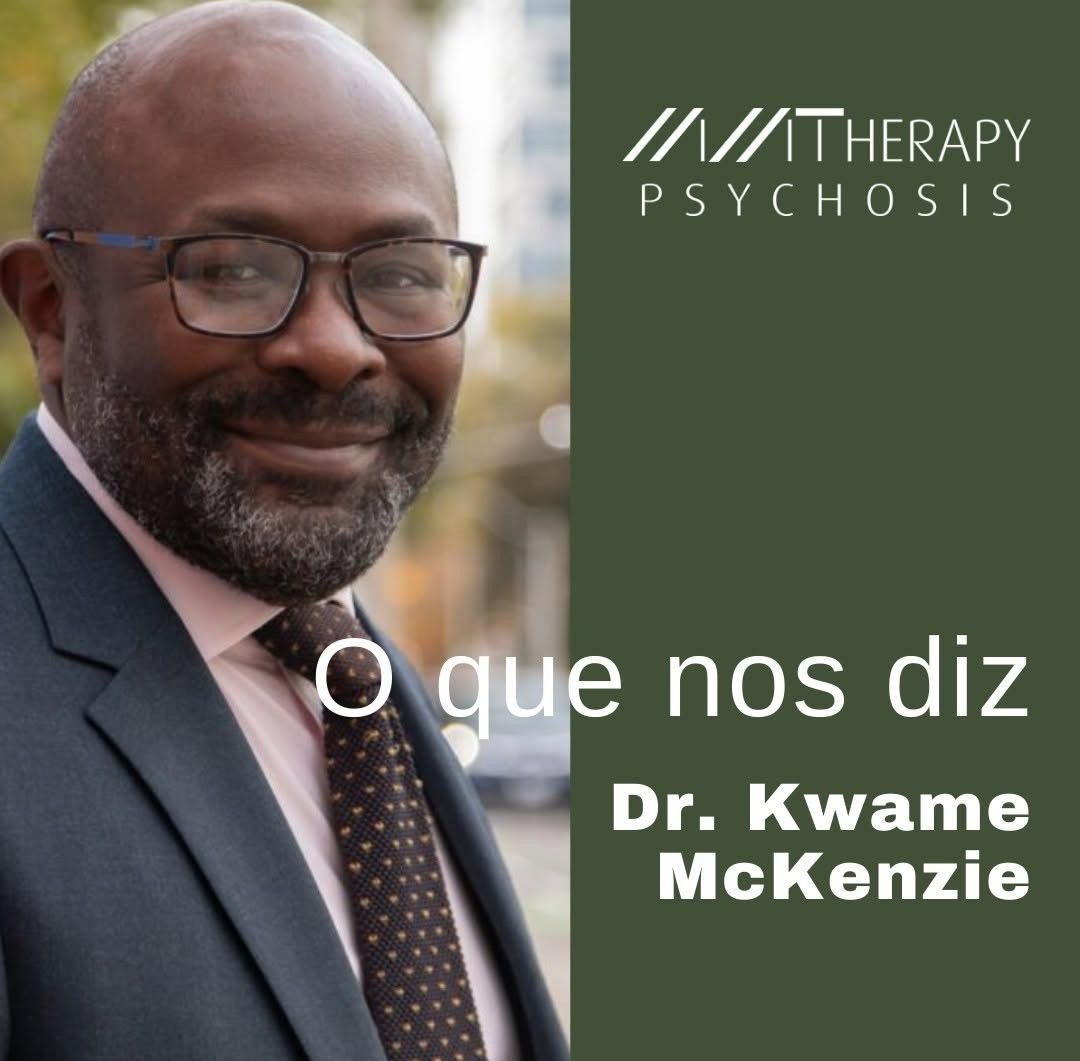
What does Kwame McKenzie say?
Professor in the Department of Psychiatry at the University of Toronto
Developing psychosis or schizophrenia is like having heart disease—there isn't just one isolated cause, but several. It's a combination of factors, and anyone can develop it. There are two main contexts that can contribute to the development of psychosis or schizophrenia: biological and social. In the biological context, there may be factors such as cannabis use, birth complications, genetic predispositions (but in most cases worldwide, there is no genetic background), among others. Then we have the social aspects, such as living in a large city, children under 15 from separated parents, bullying, racism, unemployment, and a continuous list of risks and factors that can increase the likelihood of developing psychosis or schizophrenia.
In short, it is rarely or never just one reason, but rather several small risk factors.
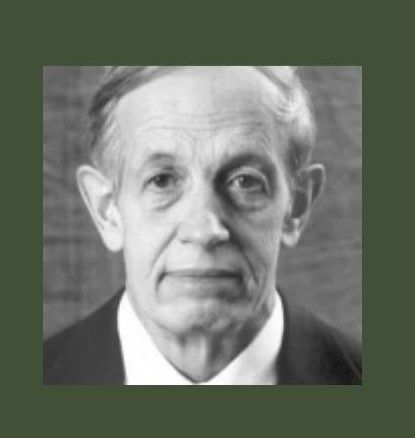
Is schizophrenia a death sentence? An inevitable cognitive decline?John Forbes Nash, Nobel Prize winner in Economics in 1994.
Considered a mathematical genius and winner of the Nobel Prize in Economics in 1994, John Forbes Nash (1928–2015) began showing signs of schizophrenia in 1958, while still a student. Soon after, it was revealed that he had paranoid schizophrenia, depression, and low self-esteem. After the frustration of lacking results and long periods of antipsychotic use and hospitalizations, he completely stopped taking medication in 1970 and began to progressively recover from the illness. Nash's story is portrayed in the film "A Beautiful Mind" (starring Russell Crowe).
Book - History of Madness
Philosopher and Historian
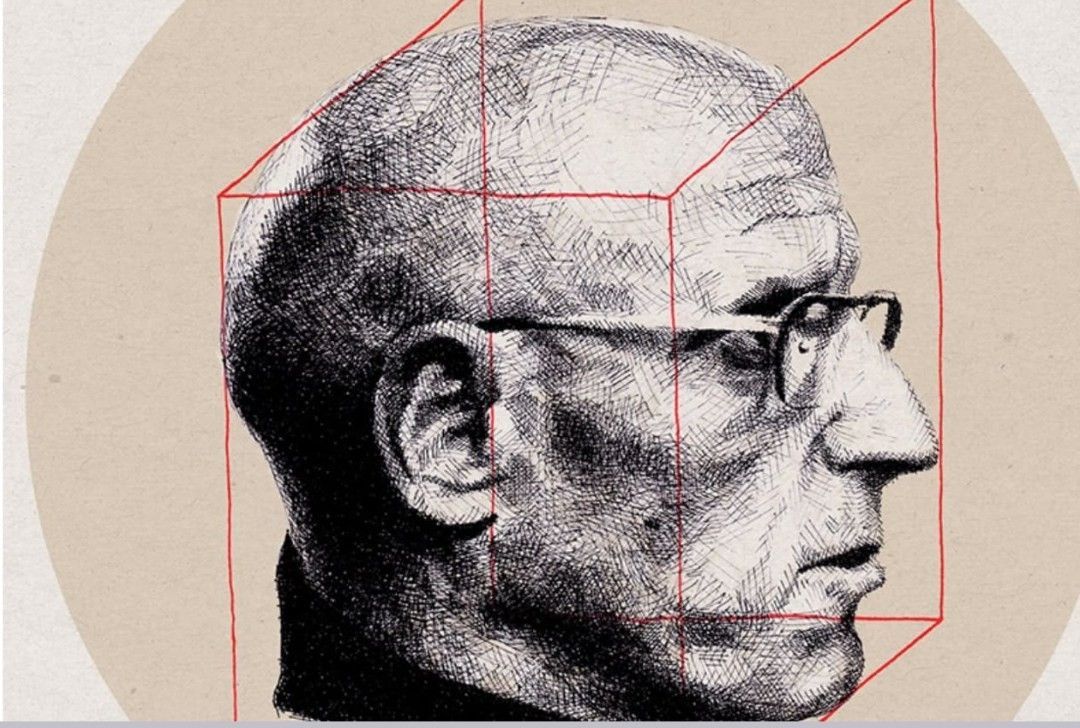
Michel Foucault
A book that is certainly provocative to conventional thinking:
"The History of Madness" was Foucault's doctoral thesis, initially published in 1961 under the title "Madness and Unreason," in which he observes that the understanding of madness as "mental illness" is a very recent perception in history; that there is no continuity or identity between perceptions and dispositions towards madness and the madman; and that medicine has taken a long time to appropriate madness.
Before that, it was expressed through the arts, philosophy, and law; that there was no therapy for madness until the end of the 18th century; and that "mental illness" is a recent invention, which begins to appear with Pinel and Esquirol at the beginning of the 19th century.
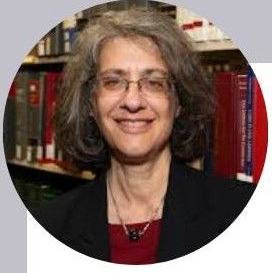
ELYN SAXES
She is a leading legal scholar and professor of law, psychology, and psychiatry at the University of Southern California School of Law.
She is known for her work in mental health law, her personal experience with schizophrenia, and her advocacy against the stigma surrounding mental illness.
He also wrote the autobiography "The Center Can't Hold It: My Journey Through Madness".
David Lukoff, PhD
He is a psychologist and co-author of the DSM-IV and DSM-5 diagnostic category called "Religious or Spiritual Problem," which has contributed to raising awareness of spiritual issues in clinical practice. He explores psychosis as a possible spiritual experience or expansion of consciousness, especially during times of crisis.
He shows that not all psychosis is destructive—some can be transformative.

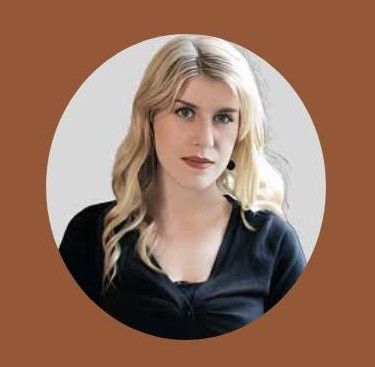
Eleanor Longden (psychologist and researcher who experienced psychosis)
“Being diagnosed with psychosis is not the end of the road. It is the beginning of a new path of self-discovery and reconstruction.”